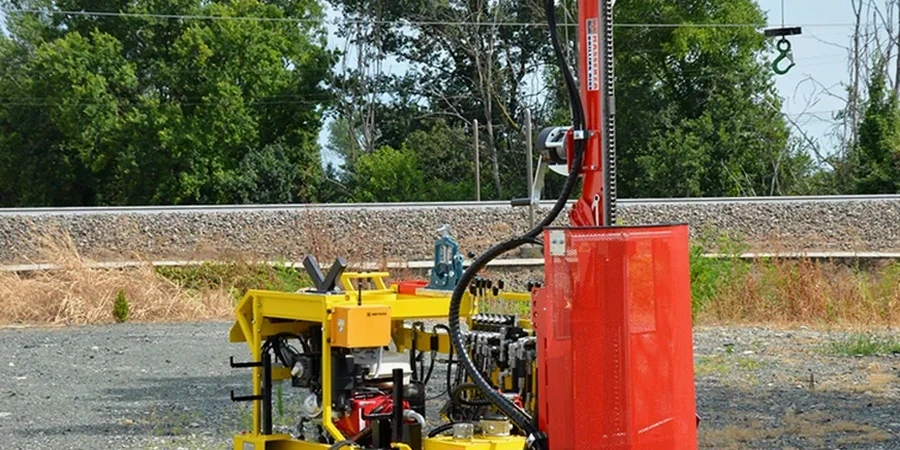
Pomona sits on a complex alluvial fan where the San Jose Creek and Puddingstone Wash have deposited interlayered sands, silts, and occasional cobbles over the deep Pomona Basin. The city's location between the San Jose Hills and the Chino Fault means near-surface soils can shift from dense Pleistocene terrace deposits to loose Holocene sands within a single parcel — a reality that directly impacts bearing capacity calculations and liquefaction assessments. The Standard Penetration Test (SPT) remains the most practical method for quantifying these subsurface transitions, delivering N-values that engineers use to define foundation depths, estimate settlement, and verify ground improvement. For projects within the City of Pomona's jurisdiction, where plan check often requires site-specific data per the current California Building Code (CBC) and ASCE 7, an ASTM D1586 SPT program provides the granularity that desktop studies simply cannot match.
Pomona's alluvial basin can hide weak zones at ten feet that change the seismic site class — SPT borings catch what the surface won't show.