GEOTECHNICALENGINEERING1
POMONA
HomeUnderground ExcavationsGeotechnical analysis for soft soil tunnels

Geotechnical Analysis for Soft Ground Tunnels in Pomona, CA

Rigorous testing. Clear reporting.

LEARN MORE

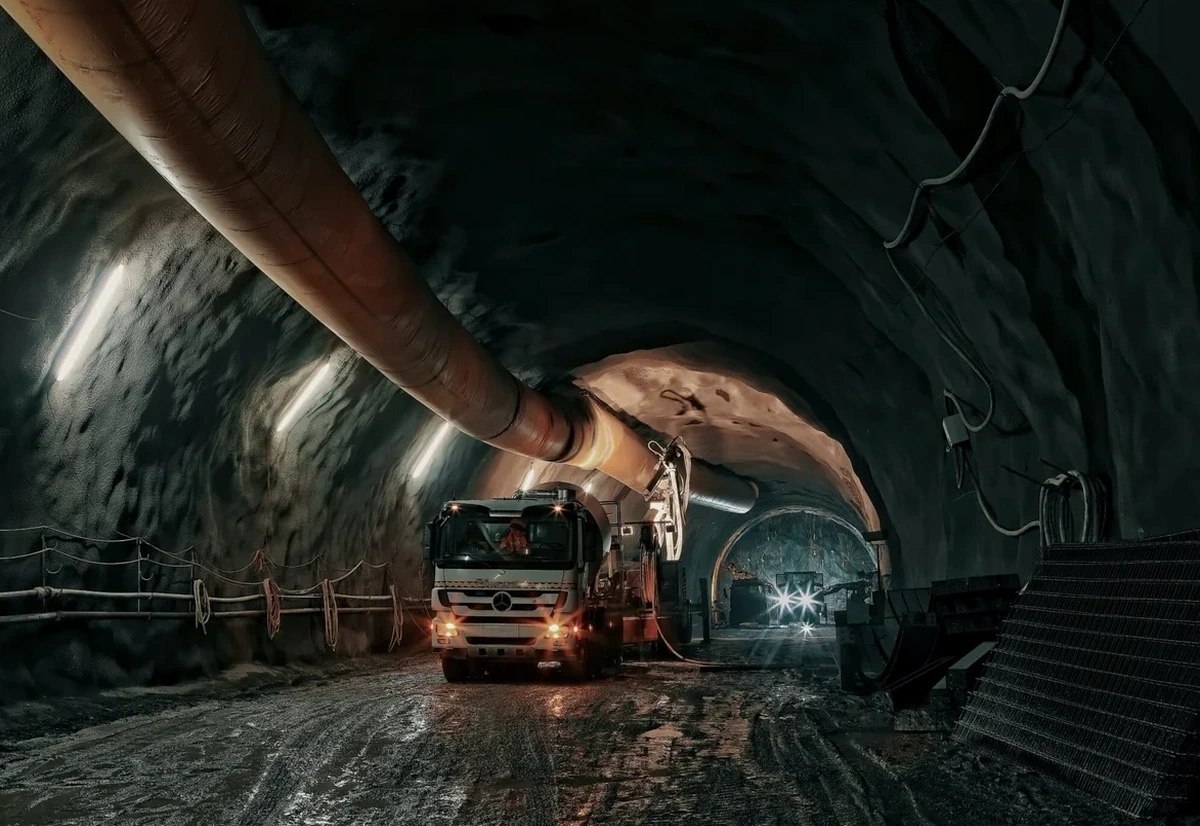
A recent trenchless utility installation beneath Holt Avenue encountered unexpected running ground within the Pomona alluvial fan deposits, forcing a costly redesign mid-project. This scenario plays out more often than contractors expect when tunneling through the soft, stratified sediments that define the eastern Los Angeles Basin. In Pomona, where the groundwater table can fluctuate significantly between the dry summer months and winter recharge, a standard desktop study is never enough. We approach each project by integrating field data from CPT testing to map continuous stratigraphic profiles, ensuring the geotechnical baseline report reflects actual conditions rather than interpolated assumptions. This level of scrutiny is critical when advancing through the young alluvium and older San Dimas Wash deposits that underlie much of the city.

Tunneling through Pomona's alluvium requires anticipating the transition from stiff clay to running sand within a single drive, a condition that standard SI classifications often miss.
Our service areas

Our approach and scope

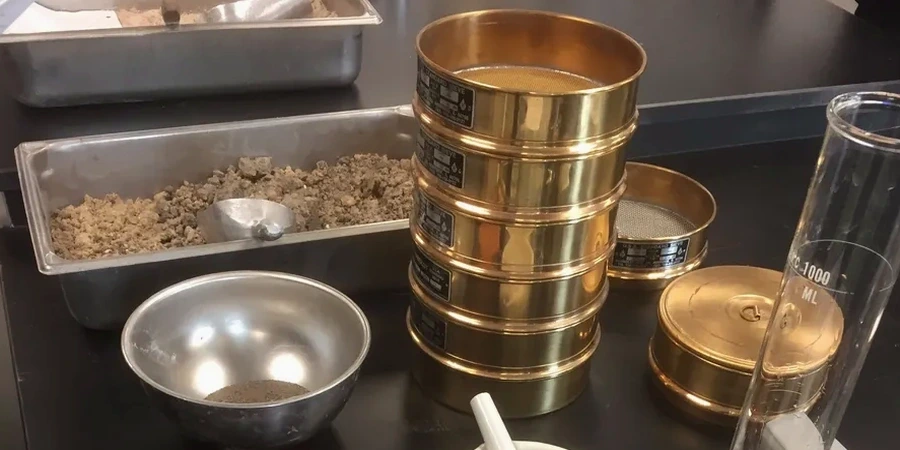
Pomona's location at the transition between the San Gabriel Valley and the Chino Basin creates a subsurface mosaic of interbedded clays, silts, and poorly graded sands. The high summer temperatures and intermittent heavy winter rains accelerate weathering of near-surface soils, altering their moisture content and effective stress parameters between seasons. For soft ground tunnels, this means the short-term undrained shear strength measured in August may not reflect the conditions encountered during a January drive. Our characterization program therefore relies on a comprehensive laboratory suite including grain size analysis and triaxial testing to define both drained and undrained behavior. We pay particular attention to the presence of smectite clays, which are prevalent in the Pomona area and can cause significant swelling pressures on tunnel linings if not properly identified. The dynamic interplay between these cohesive and granular layers demands a ground model that captures the spatial variability, not just a single idealized borehole log.
Geotechnical Analysis for Soft Ground Tunnels in Pomona, CA
Technical reference — Pomona

Local geotechnical context

A common mistake we see in the Pomona Valley is designing tunnel support based solely on pre-construction boreholes spaced too far apart to capture lensing. When a TBM crosses from a stiff Pleistocene clay into a saturated sand lens, the unsupported face can collapse rapidly, leading to sinkholes that propagate to the surface. This is not a hypothetical risk. The loose, water-charged sands of the older alluvial fans here are particularly susceptible to piping and flowing ground conditions. Overlooking the seismic deformation potential is equally dangerous. Pomona sits within a seismically active corridor influenced by the San Andreas and Puente Hills fault systems, and the cyclic degradation of soft clay strength during a design-level earthquake can compromise the integrity of a segmented lining. A rigorous analysis, which includes assessing the liquefaction potential of interbedded sands using SPT or CPT data, is not a regulatory checkbox. It is the difference between a successful drive and a catastrophic ground loss that threatens adjacent infrastructure.

Need a geotechnical assessment?

Reply within 24h.

Email: info@geotechnicalengineering1.com

Watch the video

Relevant standards

ASCE 7-22 Minimum Design Loads for Buildings and Other Structures, IBC 2024 (California Building Code) Chapter 18: Soils and Foundations, ASTM D1586 Standard Test Method for Standard Penetration Test (SPT), ASTM D2487 Standard Practice for Classification of Soils for Engineering Purposes (USCS), FHWA-NHI-09-010 Technical Manual for Design and Construction of Road Tunnels

Typical values

ParameterTypical value
Ground Model ValidationIntegrated CPT, SPT, and laboratory index testing per IBC Chapter 18
Seismic Design ParametersSite-specific PGA and spectral accelerations (Ss, S1) per ASCE 7-22, Site Class D/E
Shear Strength EnvelopeEffective stress (c', phi') from CIU triaxial; undrained Su from field vane shear tests
Consolidation & SwellOedometer testing (ASTM D2435) for settlement and heave magnitude in clayey units
Groundwater RegimePhreatic surface mapping with vibrating wire piezometers; steady-state seepage analysis
Face Stability AnalysisLimit equilibrium and finite element models for EPB or slurry shield pressure calibration

Common questions

What is the typical cost for a soft ground tunnel geotechnical analysis in Pomona?

The scope of a tunneling investigation varies significantly with the alignment length and depth, but a typical site characterization program for a short utility tunnel in Pomona generally ranges from US$3,820 to US$15,030. This includes targeted borings, CPT soundings, laboratory strength testing, and a baseline report. Longer or deeper alignments requiring seismic deformation analysis and advanced numerical modeling will fall at the higher end of that spectrum.

How do you handle the risk of running sands in the Pomona area?

We identify potentially flowing zones by mapping the grain size distribution and hydraulic conductivity of the alluvial deposits. If the uniformity coefficient indicates a poorly graded sand below the water table, we assess the required filter cake characteristics for slurry shields or the conditioning foam parameters for EPB machines to prevent face loss. Our analysis specifies the minimum effective face pressure needed to stabilize these materials during excavation.

Which seismic design parameters apply to tunnels in Pomona?

We derive site-specific ground motion parameters from the USGS hazard maps, adjusted for Site Class D or E, which are common in Pomona's alluvial basin. The analysis considers not only the peak ground acceleration but also the long-period spectral displacements that can impact flexible tunnel linings. We evaluate the ovaling and racking deformation of the cross-section using the free-field shear strain approach consistent with FHWA and ASCE guidelines.

How long does a complete tunnel investigation take?

For a typical utility-scale tunnel in Pomona, the field investigation phase, including mobilization, drilling, CPT testing, and piezometer installation, usually requires two to four weeks. The laboratory testing program, particularly the consolidated-undrained triaxial and consolidation tests, runs concurrently and is completed within four to six weeks. The final geotechnical interpretative report, containing the design parameters and construction recommendations, is delivered approximately two weeks after all laboratory data is received.

Location and service area

We serve projects in Pomona and surrounding areas.

View larger map