GEOTECHNICALENGINEERING1
POMONA
HomeUnderground ExcavationsGeotechnical design of deep excavations

Geotechnical Design of Deep Excavations in Pomona, CA

Rigorous testing. Clear reporting.

LEARN MORE

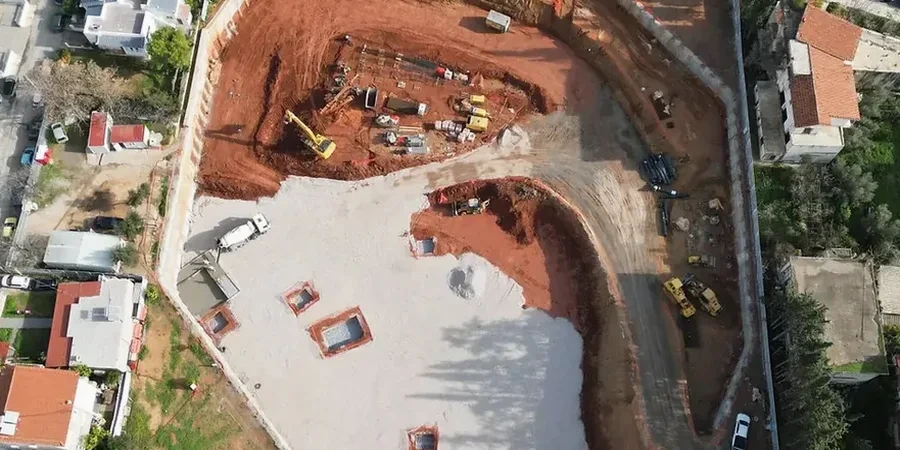
Pomona sits at roughly 850 feet above sea level, on the alluvial fan of the San Gabriel Mountains, where subsoil conditions can shift from dense sands to clay lenses within the same city block. For developers working on mid-rise projects near the Fairplex or new mixed-use buildings downtown, controlling ground movement during excavation is the single most important factor for protecting adjacent structures. Our geotechnical design of deep excavations addresses this directly: we define support systems, dewatering needs, and monitoring thresholds before the first shovel hits the ground. A poorly designed shoring system in Pomona’s layered deposits can lead to settlement that damages neighboring foundations or, worse, destabilizes the excavation itself. We combine site-specific CPT testing data with structural modeling to deliver a plan that keeps your project on schedule and your surrounding properties intact.

In Pomona’s alluvial soils, a deep excavation design that ignores groundwater is not just incomplete — it is a liability that can double your shoring costs retroactively.
Our service areas

Our approach and scope

The transition from the San Jose Hills to the Pomona Valley creates a shallow groundwater table in many parts of the city, particularly south of the 60 freeway, which completely changes the approach to excavation support. Our geotechnical design of deep excavations addresses this by integrating groundwater control into the shoring strategy from day one: soldier pile and lagging walls designed for hydrostatic pressure, tieback anchors installed at precise angles to avoid utility conflicts, and base stability checks against heave in saturated silts. We model construction stages using finite element analysis to predict lateral wall deflections accurately, then verify those predictions with inclinometer data during excavation. The result is a design that reduces over-excavation, minimizes concrete usage in the final structure, and keeps your subcontractors working within known parameters rather than reacting to surprises in the field.
Geotechnical Design of Deep Excavations in Pomona, CA
Technical reference — Pomona

Local geotechnical context

The most common mistake we see in Pomona is treating a 40-foot excavation on Garey Avenue the same as one in Irvine or Ontario, without accounting for the perched groundwater pockets that appear unpredictably in the San Antonio Creek alluvium. When a contractor proceeds with a generic shoring plan — typically a one-size-fits-all soldier pile layout — and hits a saturated silt lens at 25 feet, the excavation bottom becomes unstable, and the wall starts moving inward. At that point, you are not just redesigning the support system; you are paying for emergency dewatering, delayed concrete pours, and structural remediation on the adjacent sidewalk. Our geotechnical design of deep excavations prevents this by specifying exploration boreholes deep enough to capture these lenses and designing a system that handles both drained and undrained loading conditions from the beginning.

Need a geotechnical assessment?

Reply within 24h.

Email: info@geotechnicalengineering1.com

Relevant standards

IBC 2024 (California Building Code Chapter 18), ASCE 7-22 Minimum Design Loads for Buildings, Caltrans Standard Specifications for shoring and excavation, OSHA 29 CFR Part 1926 Subpart P (Excavation safety)

Typical values

ParameterTypical value
Maximum excavation depth analyzed80 ft below grade
Design standard for lateral earth pressureASCE 7-22 Chapter 3
Typical shoring systems designedSoldier pile, secant pile, diaphragm wall
Groundwater control methodsDeep wells, wellpoints, cutoff walls
Analysis method for wall deflectionFinite element (Plaxis / WALLAP)
Base stability evaluationFactor of safety against basal heave ≥ 1.5
Monitoring parameters specifiedLateral deflection, settlement, vibration

Common questions

What does geotechnical design of deep excavations cost for a project in Pomona?

The fee for a complete design package — including shoring design, dewatering plan, and construction-stage modeling — typically ranges from US$2,220 to US$8,480, depending on excavation depth, number of supported sides, and complexity of groundwater conditions. A 25-foot excavation with simple soldier piles on a rectangular site will fall toward the lower end; a 60-foot excavation requiring secant walls and tiebacks in multiple directions will be at the higher end.

How deep can you design an excavation in Pomona’s soil conditions?

We routinely design excavations up to 80 feet below grade in Pomona. The limiting factor is usually not the soil strength itself — our alluvial deposits have reasonable friction angles — but rather groundwater control and the proximity of adjacent structures. For depths exceeding 60 feet, we typically specify secant pile or diaphragm walls rather than soldier piles, combined with a solid dewatering system and continuous monitoring during construction.

What happens if you encounter unexpected groundwater during excavation?

If our pre-design exploration program is thorough, this should not happen — we drill deep enough to identify all water-bearing zones. However, we include contingency measures in every design: predefined trigger levels for inflow, standby dewatering equipment specifications, and a rapid-response grouting protocol. This way, even if a perched pocket is encountered, the contractor has an approved plan to handle it without stopping work.

Location and service area

We serve projects in Pomona and surrounding areas.

View larger map