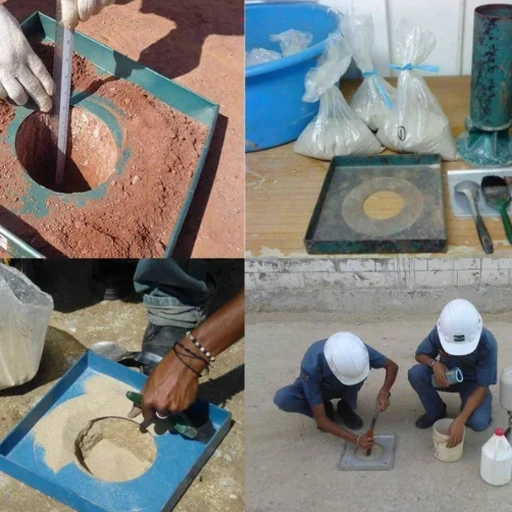
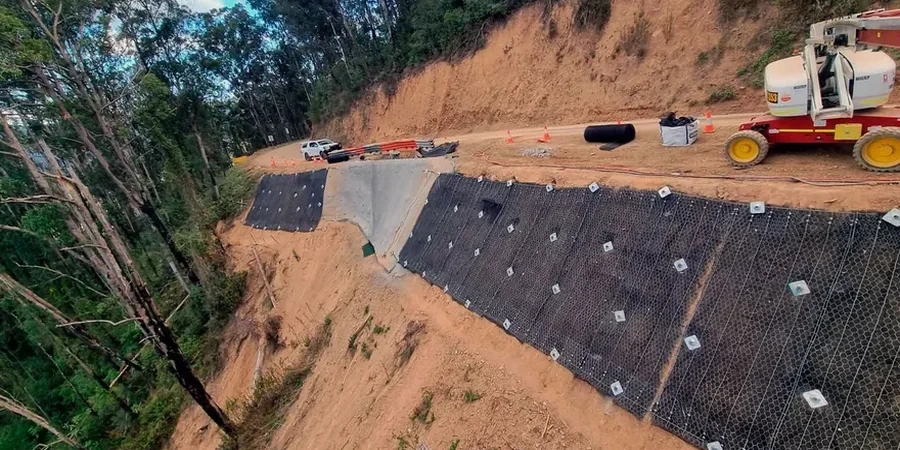
Pomona sits at 850 feet above sea level, wedged between the San Jose Hills and the Pomona Valley floor. That elevation change is a big deal for anyone building here. We see cut-and-fill lots from the 1950s, natural slopes in Phillips Ranch, and steep grades along the 57 corridor. Each one reacts differently to rain and seismic loads. A proper slope stability analysis isn't just a permit requirement. It's how we figure out if a slope will hold during a 7.0 on the San Andreas. Our team runs limit equilibrium models using site-specific data we gather from borings and lab tests. Before breaking ground in this city, understanding the shear strength of the colluvium is step one. We often combine field observations with a grain size analysis to nail down the soil behavior.
A stable slope in Pomona is about controlling water and nailing the seismic coefficient—everything else follows from those two factors.