GEOTECHNICALENGINEERING1
POMONA
HomeUnderground ExcavationsGeotechnical excavation monitoring

Geotechnical Excavation Monitoring in Pomona: Protecting Your Site and the Public

Rigorous testing. Clear reporting.

LEARN MORE

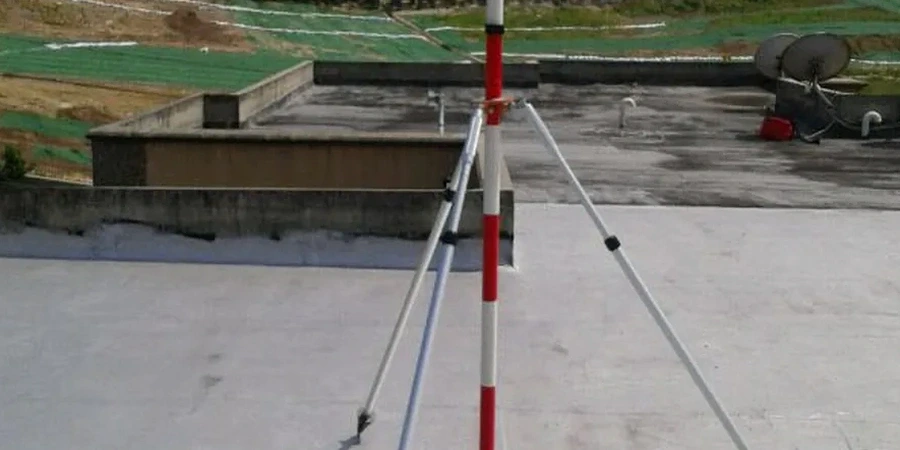
One of the most costly mistakes a contractor makes in Pomona is treating excavation monitoring as a checkbox formality. The alluvial deposits underlying much of the city don't give you a warning before a shoring wall starts deflecting. We have seen projects where a delay of two days in reading inclinometers allowed movement to propagate and crack a neighboring slab-on-grade. Real monitoring is a continuous feedback loop. The data from piezometers, crack meters, and survey prisms must be interpreted against the actual performance of the retention system, not just compared to a static limit. Our technical team correlates these readings with the original geotechnical baseline defined in the deep excavations design to confirm whether the soil-structure interaction matches the assumptions or if mitigation is needed immediately.

A properly instrumented excavation tells you what the soil is about to do, not just what it already did.
Our service areas

Our approach and scope

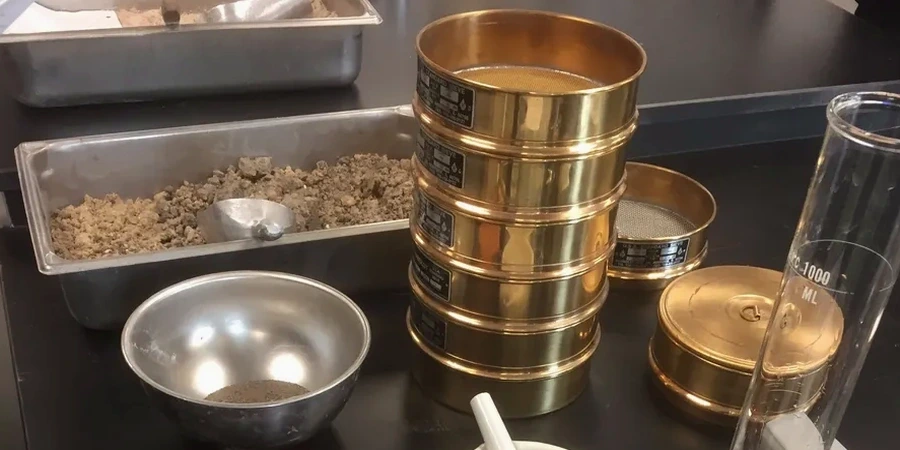
The geology beneath Pomona is dominated by young alluvial fan deposits shed from the San Gabriel Mountains. These materials range from clean sands to silty gravels, often with cobble lenses that make drilling for instrumentation a challenge. Groundwater can appear perched at shallow depths after winter storms, something the USGS groundwater monitoring near the Pomona Valley confirms. This variability demands a monitoring plan that doesn't just measure one parameter. We typically combine automated total stations for surface settlement with in-place inclinometers along the shoring. When the cut is adjacent to sensitive structures, we also recommend vibration monitoring at the foundation level. The key is tying the data to the soil parameters you characterized earlier — a grain size analysis and the Atterberg limits of the fine fraction tell you a lot about how the material will react to dewatering or vibration over time.
Geotechnical Excavation Monitoring in Pomona: Protecting Your Site and the Public
Technical reference — Pomona

Local geotechnical context

In Pomona, we often see that the biggest risk isn't the deep excavation itself — it's the legacy infrastructure around it. Many older commercial buildings along Holt Avenue have shallow footings on uncompacted fill. When dewatering for a deep excavation starts, the drawdown cone can extend much farther than anticipated in the stratified alluvium, causing differential settlement that cracks brittle finishes. Monitoring just the shoring wall is insufficient. The array must cover the zone of influence, which we define using settlement troughs based on Peck's empirical curves, adjusted for local soil stiffness. If inclinometer deflections show a creeping trend and piezometric levels are dropping faster than the model predicted, you stop, reassess the retaining walls design, and potentially modify the dewatering scheme. Ignoring a subtle trend for a week can turn a manageable condition into a structural repair claim.

Need a geotechnical assessment?

Reply within 24h.

Email: info@geotechnicalengineering1.com

Watch the video

Relevant standards

ASCE 7-22 (Minimum Design Loads), IBC 2024 Chapter 33 (Safeguards During Construction), ASTM D6230 (Inclinometer Monitoring), ASTM D7299 (Vertical Inclinometer Probe), OSHA 1926 Subpart P (Excavations)

Typical values

ParameterTypical value
Typical monitoring frequency (active phase)Daily to twice-weekly
Inclinometer accuracy±0.25 mm/m
Settlement point precision±0.5 mm
Piezometer type for perched waterVibrating wire, 50 psi range
Crack meter range0-50 mm, ±0.1 mm resolution
Vibration trigger level (adjacent buildings)0.5 in/sec PPV per IBC
Data reporting formatDaily PDF + cloud dashboard access

Common questions

What's the typical cost range for excavation monitoring on a mid-size commercial project in Pomona?

For a typical commercial excavation with shoring and adjacent structures, the instrumentation and monitoring scope usually runs between US$880 and US$2,630 per month, depending on the number of inclinometers, survey points, and reporting frequency. A fixed-price proposal requires reviewing the shoring plan and the site's specific risk profile.

How often should inclinometer and survey readings be taken during active excavation?

During active digging within 10 vertical feet of subgrade, we recommend daily readings. If the data shows a stable trend with deflections well below the design limit, the frequency can be reduced to every other day. The IBC and OSHA require that monitoring frequency be sufficient to capture any developing hazard before it endangers workers or the public.

What is the most critical parameter to watch in Pomona's alluvial soils?

Lateral deflection at the middle third of the shoring wall is usually the first indicator of trouble, but in Pomona's stratified alluvium, piezometric pressure behind the wall can spike after rain. A sudden rise in pore pressure reduces effective stress and can trigger movement even if the excavation hasn't deepened. We track both deformation and water pressure simultaneously.

Do you provide the monitoring data in real time, or only in weekly reports?

We provide a cloud-based dashboard that updates with each field reading cycle. Project managers and the engineer of record get same-day access to deflection plots, settlement contours, and piezometric levels. A formal PDF report with interpretation is issued at the agreed interval, typically weekly.

What happens if the monitoring data shows movement exceeding the trigger level?

We notify the contractor and the design engineer immediately, typically within two hours of confirming the reading. The response protocol depends on the rate of movement: a slow creep might call for increased monitoring frequency and a review of the dewatering plan, while a sudden acceleration could require stopping work and installing additional bracing or tiebacks.

Location and service area

We serve projects in Pomona and surrounding areas.

View larger map