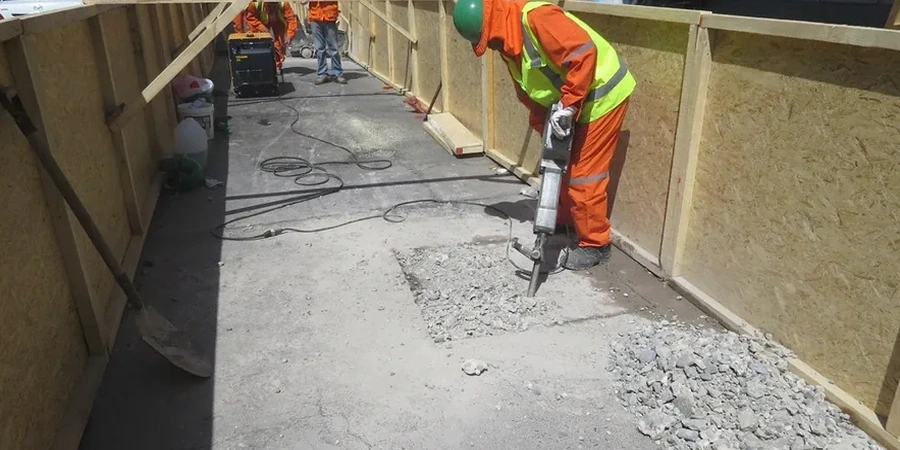
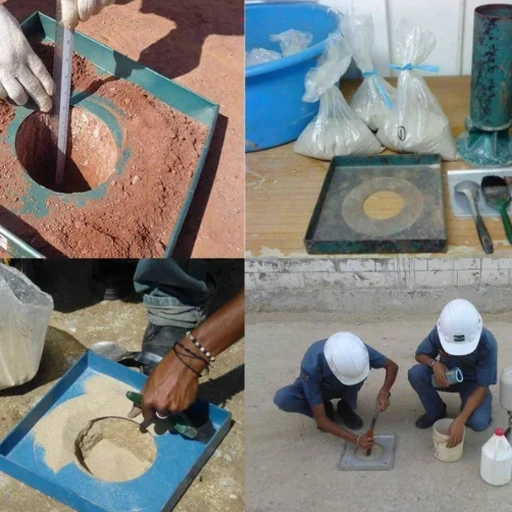
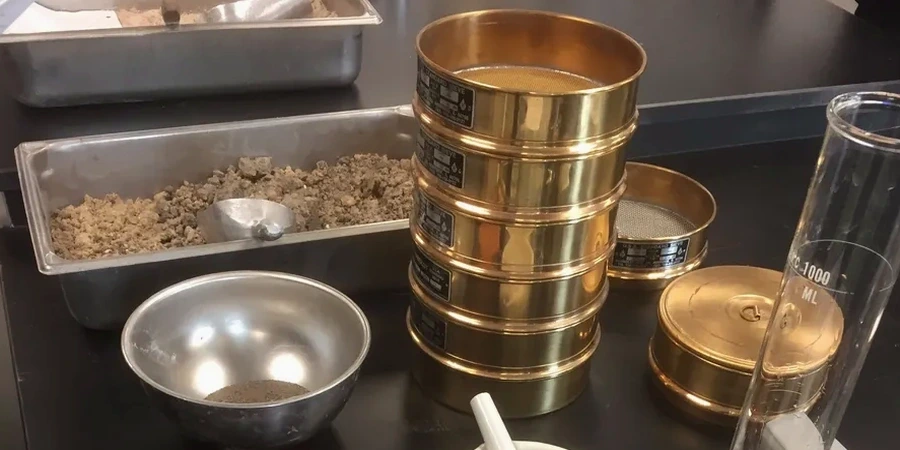
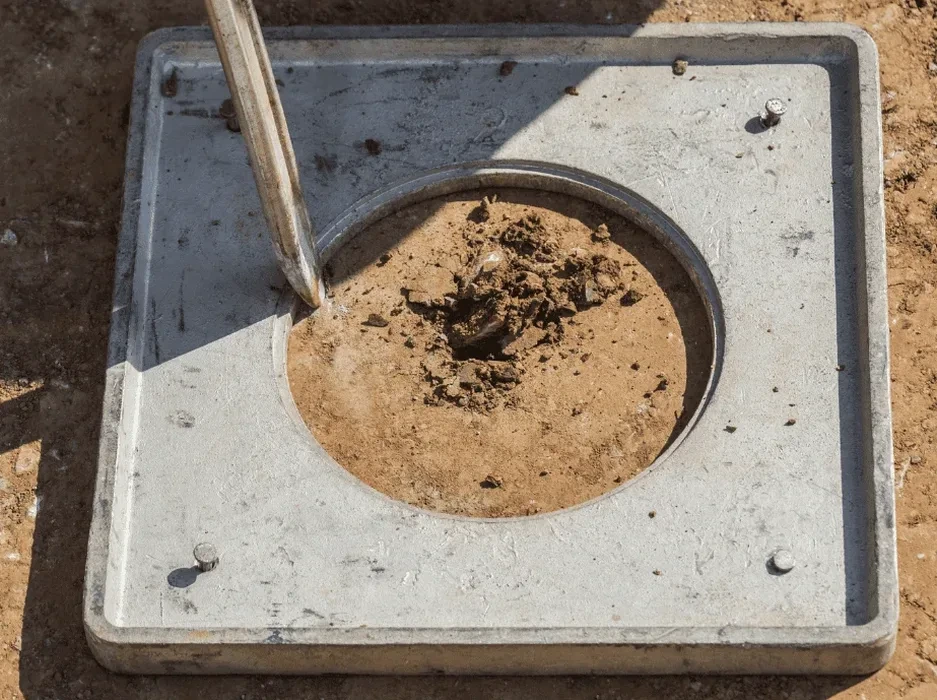
The soil profile in Pomona shifts dramatically from the rocky alluvial fans near the San Jose Hills to the deeper sedimentary deposits around the Fairplex and downtown corridor. A foundation design that works on a compacted terrace might be dangerously inadequate just two miles south where the groundwater table sits higher and the fines content drops. This contrast is why a site-specific soil liquefaction analysis is not just a code requirement but a practical necessity. We run standardized penetration tests and collect undisturbed samples to calculate the factor of safety against liquefaction triggering, using the cyclic stress approach. When the IBC maps flag your parcel as a potential seismic hazard zone, you will need more than a desktop study to satisfy the building department and protect the structural investment.
In Pomona, liquefaction risk is not uniform—it concentrates in the alluvial corridors where groundwater and granular soils combine to create a critical condition during a design-level earthquake.