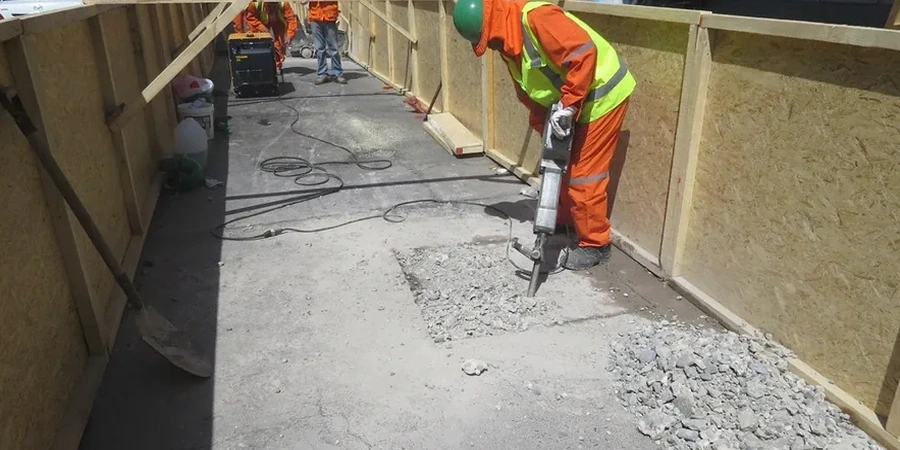
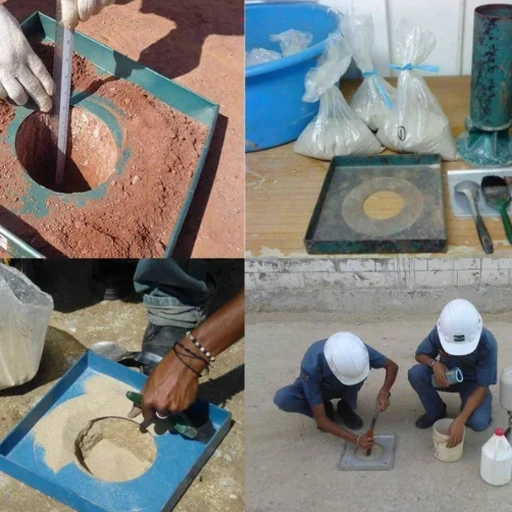
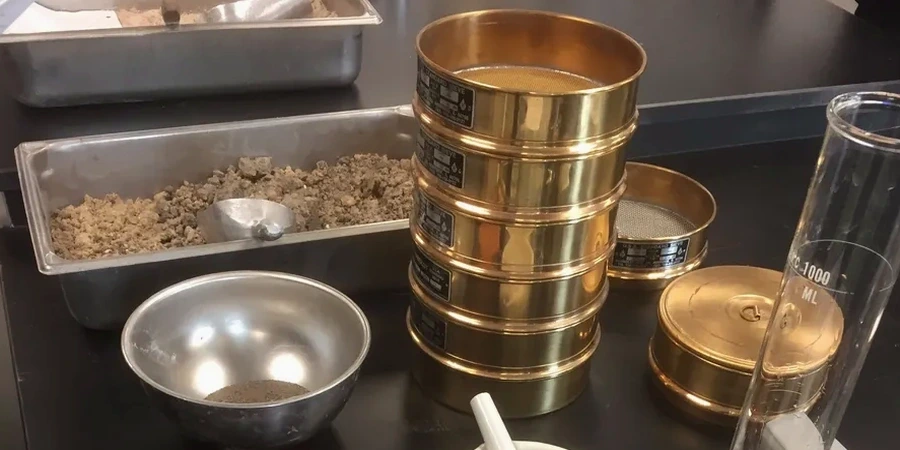
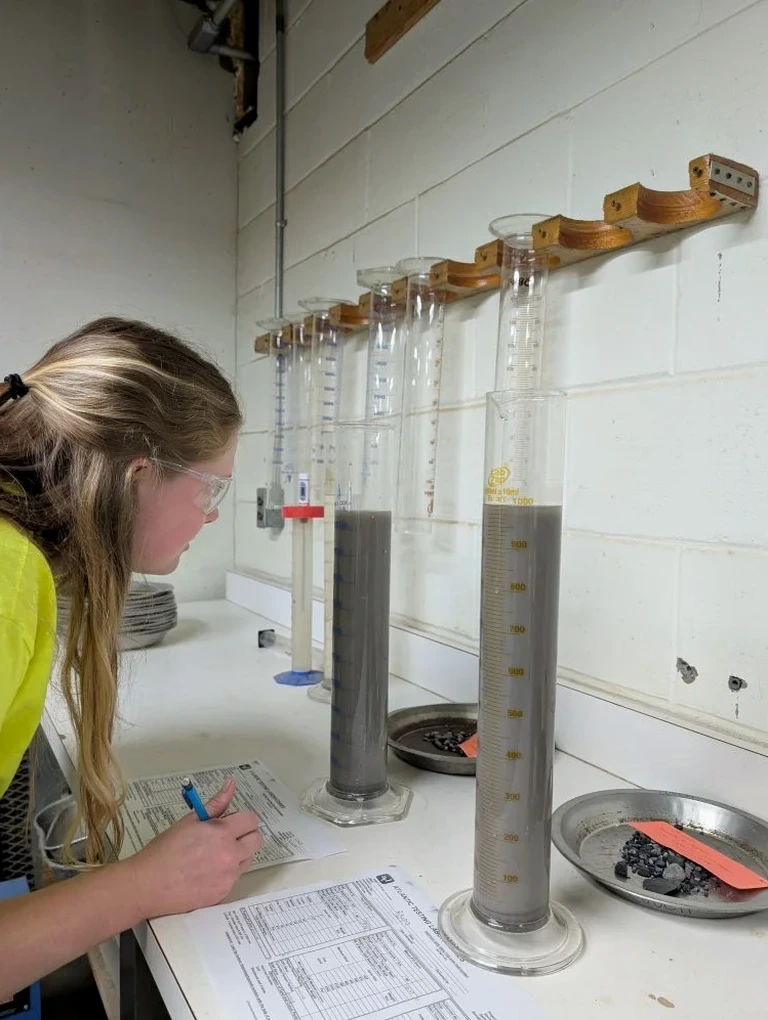
The decomposed granite and alluvial fan deposits across Pomona’s valley floor create a subgrade challenge that standard compaction tests alone cannot resolve. Right where the 57 and 10 freeways cut through the city, the soil transitions from rocky hillside material to silty basin fill within a few hundred feet. A laboratory CBR test becomes essential here because the pavement structural section depends entirely on how that specific material behaves when saturated. We run soaked CBR specimens following ASTM D1883 at our lab, measuring the load-penetration response at 0.1-inch intervals and checking swell potential over a 96-hour soaking period. For projects near the Pomona Fairplex or along major arterials like Holt Avenue, this data directly feeds the Caltrans pavement design method. The correlation between CBR value and required base thickness means a difference of 3 to 5 percent in the test can shift the structural number by half an inch of asphalt. We also cross-check the results with grain size analysis when the fines content suggests sensitivity to moisture changes.
A soaked CBR value below 3 percent in Pomona's silty subgrades means you need a full-depth asphalt section or chemical stabilization before laying any base course.